With The Sadness, the choreographer a graduate of P.A.R.T.S., the dance school founded by Anne Teresa De Keersmaeker continues her exploration of the creative potential inherent in manipulating the codes of popular culture.
“To dream the future of pop.” That is the ambitious phrase with which Canadian-Polish choreographer Ula Sickle summed up the aim of Extended Play, the work she created in 2016 with artist Daniela Bershan. At the time, the project sought to draw on the codes of contemporary popular culture to create a highly visual, immersive performance.

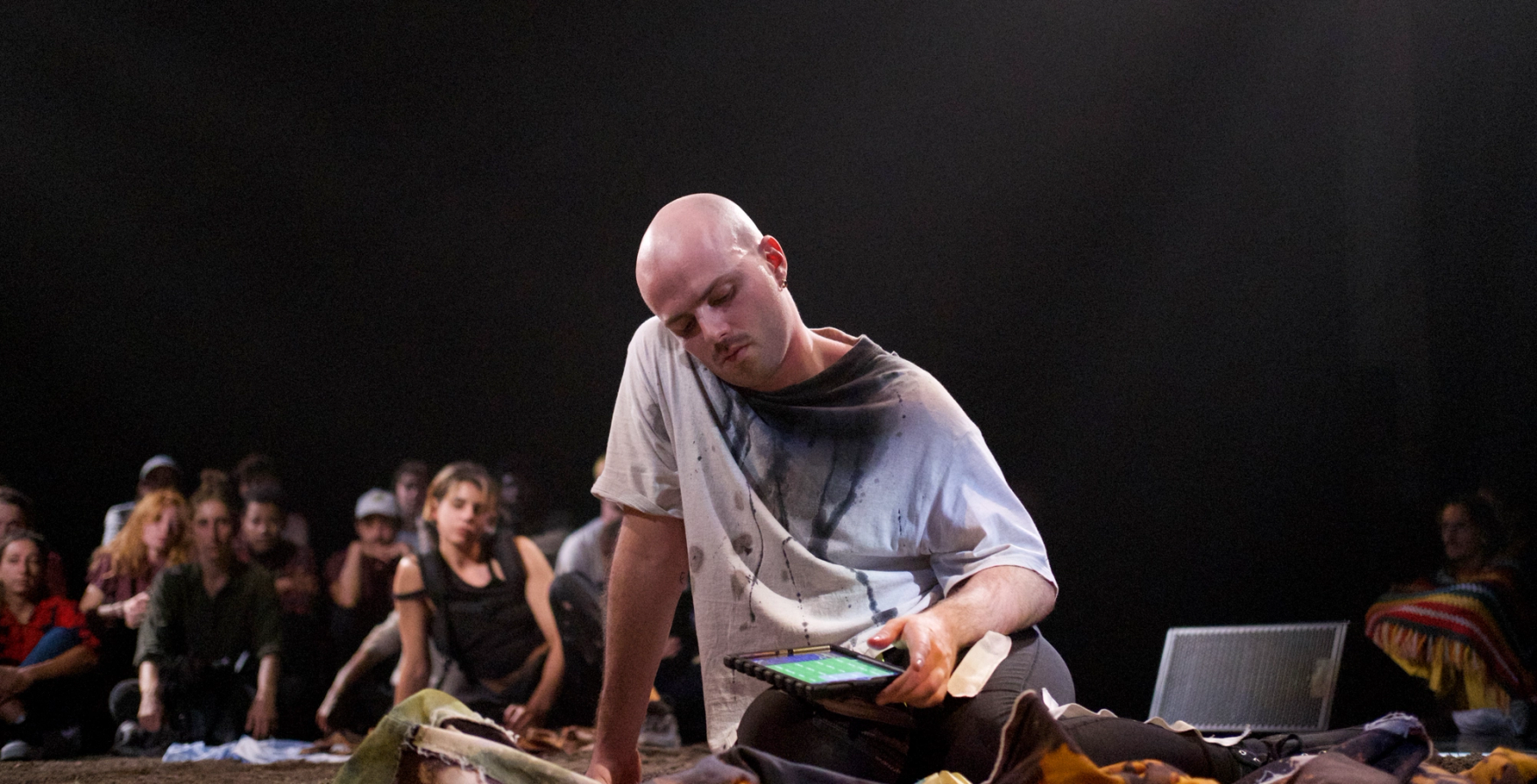
Immersed in a graphic half-light, the five performers move among the audience, dancing, singing, and sampling themselves live in Ableton Live using iPads that they activate themselves on stage. Blending beatboxing with looped vocal phrases drawn from the popular repertoire such as Sweet Dreams (Are Made of This) they treat pop as “a living material that grows, destroys itself, and rebuilds itself,” in Ula Sickle’s words.
This dispositif reappears in The Sadness, created in 2020. Live music and the reappropriation of mainstream cultural codes once again occupy a central place. This time, however, the choreographer turns her attention to an amateur musical genre that had emerged in the meantime on SoundCloud and other streaming platforms: sad rap.

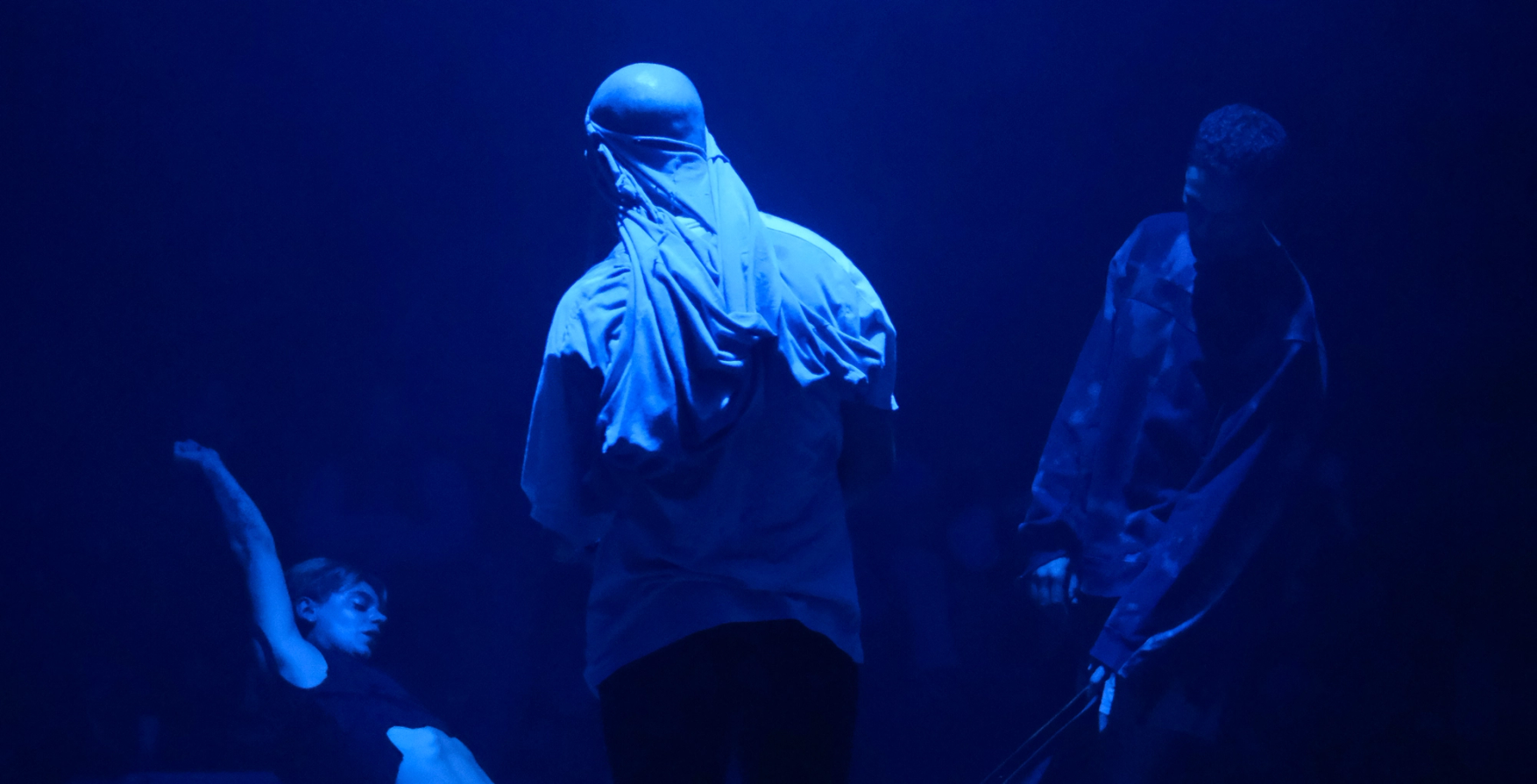

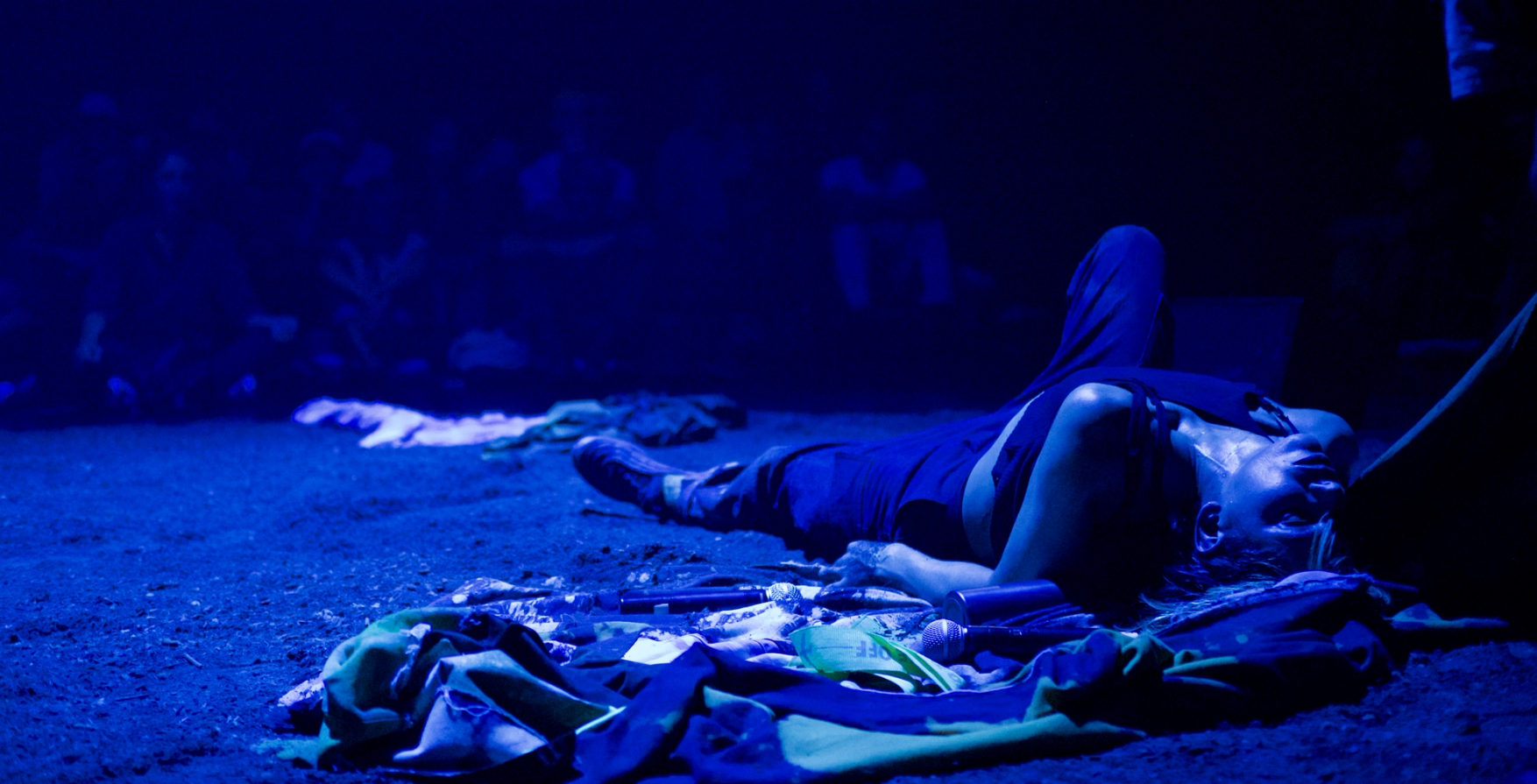
“Three young people sit in a garden. They improvise beats and write songs for no one in particular, while copying dances they have seen online. And they wait. After all, what else is there for them to do? The end of the world has already happened.”
As the COVID-19 pandemic plunged the world into uncertainty and disillusionment, The Sadness set out to give voice to the hopes and fears of a new generation. Adopting a collaborative approach, Ula Sickle invited the performers to write the lyrics they would later perform on stage.

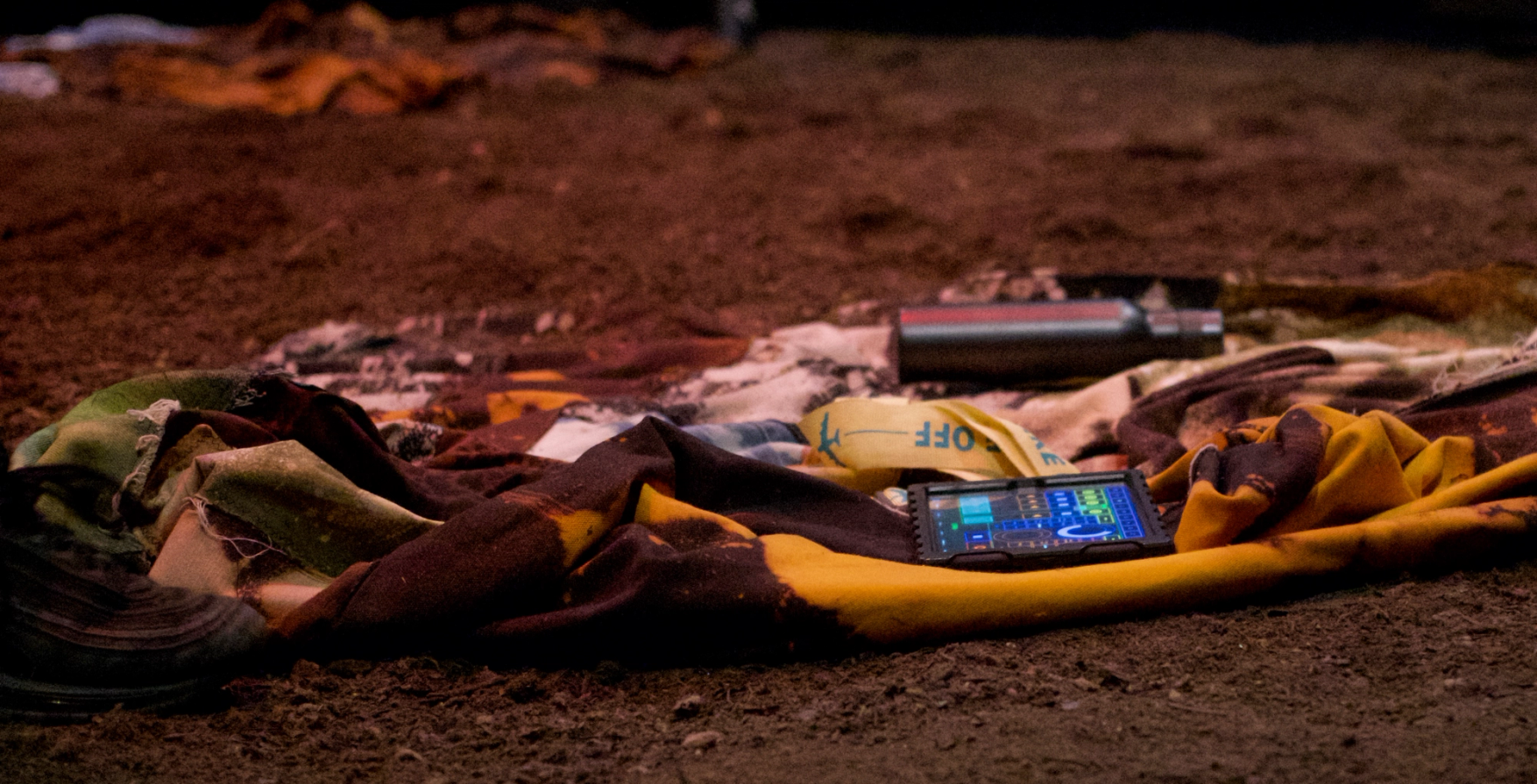
During the performance, the performers sing in a circle amidst the audience, using an app developed specifically for the project. Their voices are mixed live with pop rhythms and heavy bass lines, until human and synthetic sounds gradually become indistinguishable.
With this work, poised somewhere between a dance performance and a live concert, Ula Sickle symbolically reintroduces a sense of collectivity at a time defined by isolation. She forges new connections between bodies and language, between human beings and artificial intelligence, offering a distinctly contemporary vision of the futures we might yet inhabit.