- Accueil Studio
- Coproduction
- Marseille
- 23.11.2022
Continuing the series they have developed in iconic buildings across the United States and France, Brennan Gerard and Ryan Kelly conceived a new chapter with Bright Hours at Unité d'Habitation de Marseille better known as La Cité Radieuse, Le Corbusier’s celebrated “Maison du Fada” (“House of the Madman”).
“We realised just how profoundly architecture is structured by heteronormative norms, and how unable it was to accommodate the way Ryan and I live and work together.”
Since 2016, Gerard & Kelly have been developing a series of performances and films set within landmark works of modernist architecture. Through the lens of domestic space, they explore the notion of intimacy and examine the ways in which design shapes and structures human relationships.

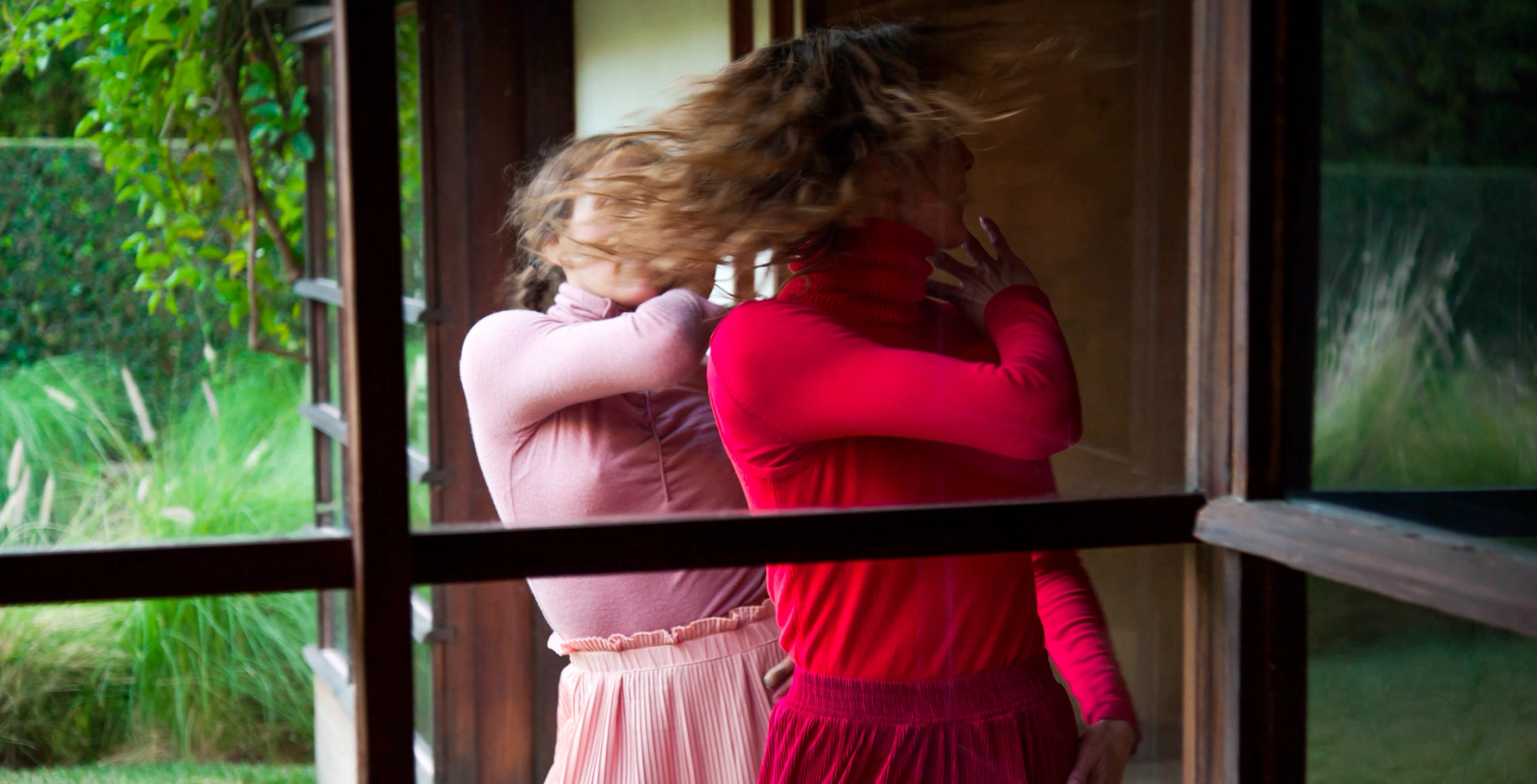
What kind of architecture might be conceived to shelter otherness? Their inquiry into the notion of the couple has led Gerard & Kelly to seek out places where “less normative forms of sexuality” can become possible. With Modern Living, they have inhabited Schindler House by Rudolf Schindler, Glass House by Philip Johnson, and Farnsworth House by Ludwig Mies van der Rohe, before turning to two houses designed by Le Corbusier: the Appartement-atelier de Le Corbusier and the Villa Savoye. In these places, a new architectural language emerged alongside new ways of inhabiting and living together.
“We approach these sites from a queer perspective, understanding the home as a lived experience that exists beyond social norms.”

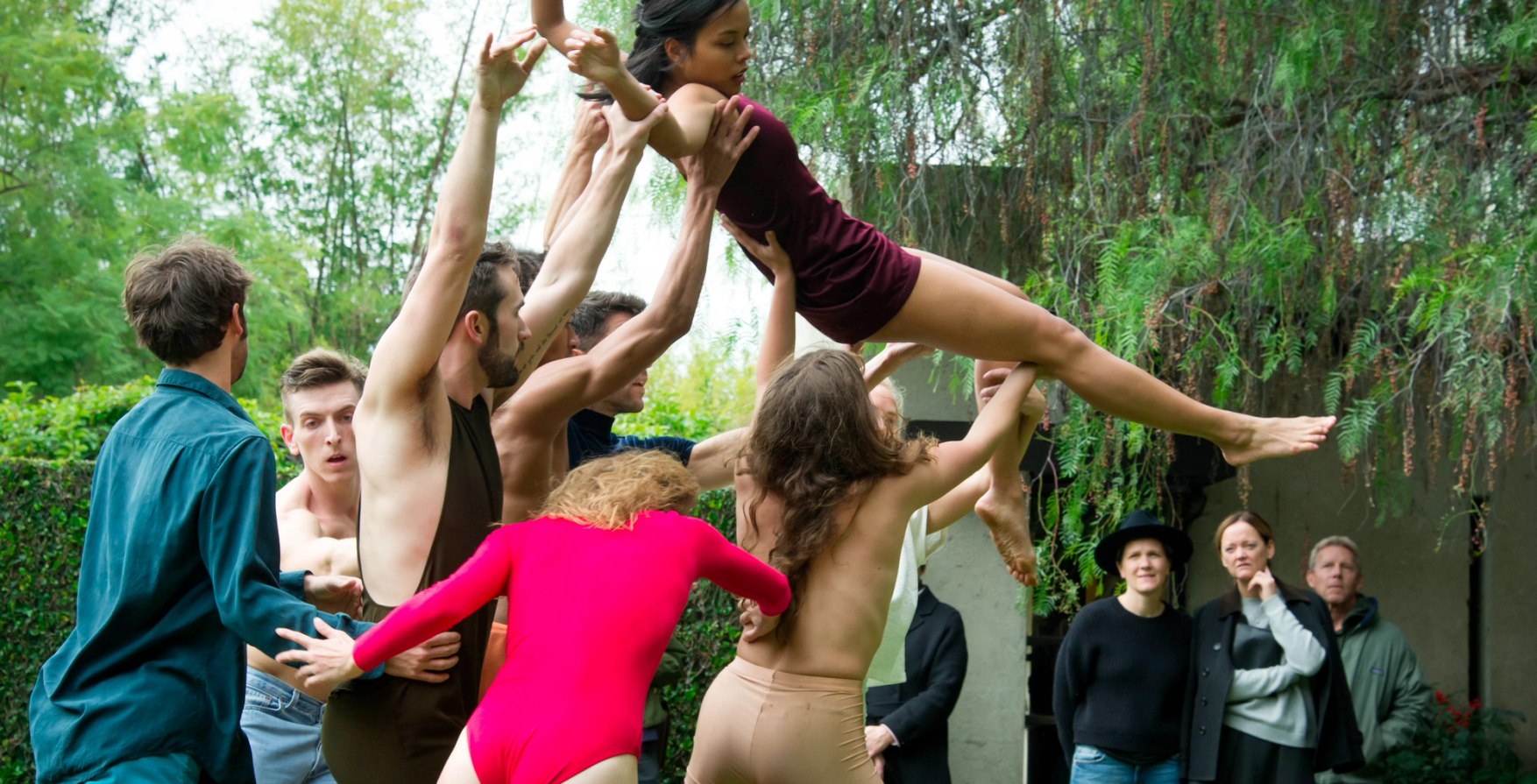
These houses become the setting for radical social experiments, places where our most intimate relationships can be reimagined. Through dance, Gerard & Kelly explore the rhythms of everyday life, the ways in which space generates movement, and the pleasures and tensions of living together.
“We think about our relationship to the people who inhabited these spaces whether real or imagined; in this case, imagined.”
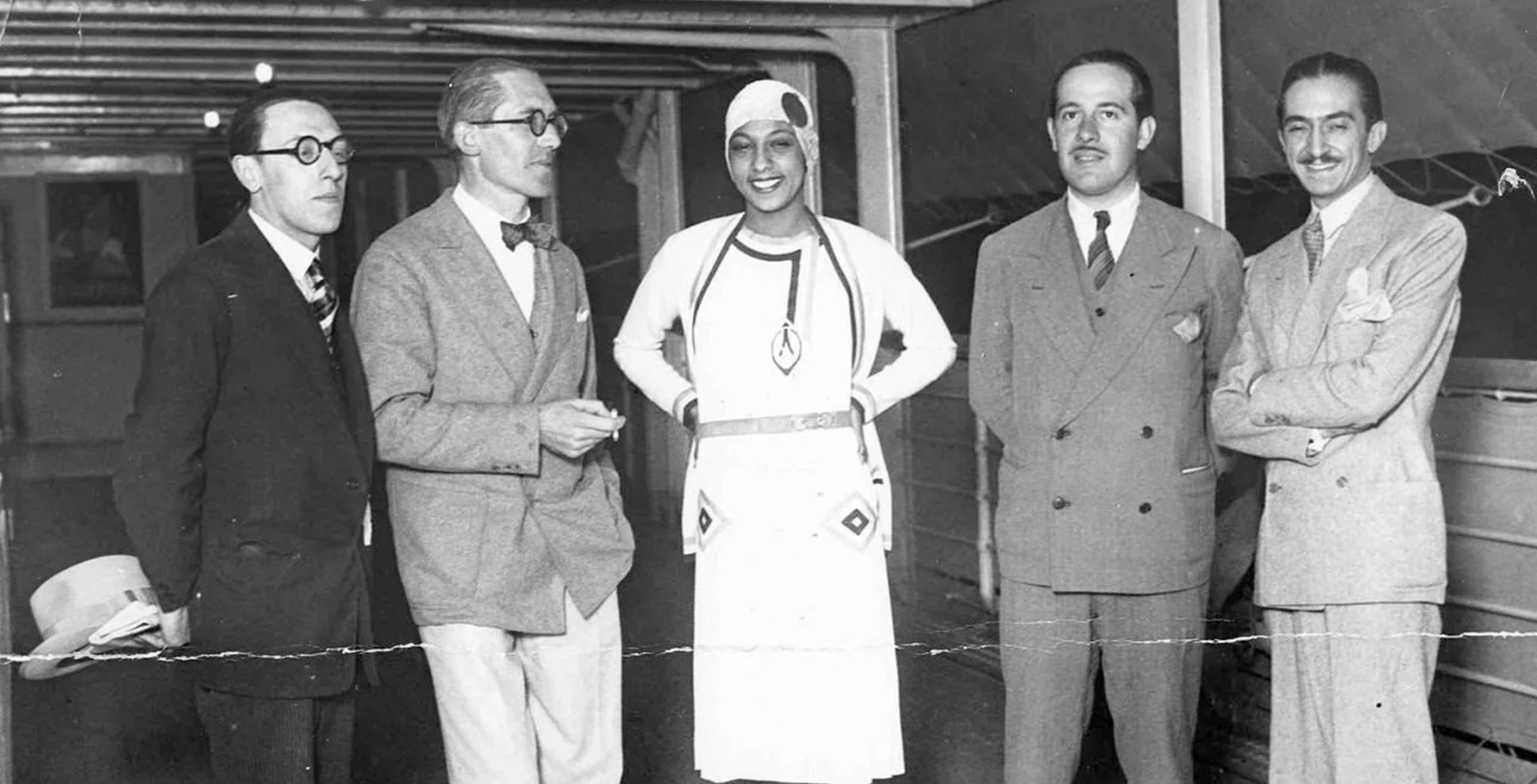
Following their 2019 performance at the Villa Savoye, Gerard & Kelly imagined, in Bright Hours, a fictional love affair between Joséphine Baker and Le Corbusier. Drawing on the historical fact that the two met during a transatlantic crossing, they transform this encounter into a utopian fantasy infused with questions of race, sexuality, and social relations.

La Cité Radieuse becomes the setting for this imagined intimacy. Gerard & Kelly develop a choreographic score by bringing together Le Corbusier’s conception of space built from cellular structures in raw concrete and the expressive and dance vocabularies associated with Joséphine Baker. Moving between sensuality and subversion, between exposed concrete surfaces and living bodies, Bright Hours brings into view those who have historically remained unseen: minorities, the “subaltern.”