Following Samedi Détente, in which she revisited her own memories of the Rwandan genocide, and Unwanted, a work confronting the use of rape as a weapon of war, Dorothée Munyaneza created Mailles, a performance in which African and Afro-descendant women artists share their personal journeys and lived experiences.
Rwandan-born singer, writer, and choreographer Dorothée Munyaneza continues in Mailles the artistic approach that has shaped her previous works: beginning with lived reality to engage with the memories and bodies of those whose voices have too often been silenced. Bringing together a constellation of singular stories, the piece weaves “the threads of a shared fabric.” It explores the transmission of memory across generations, linking ancestral legacies with contemporary lived experience.

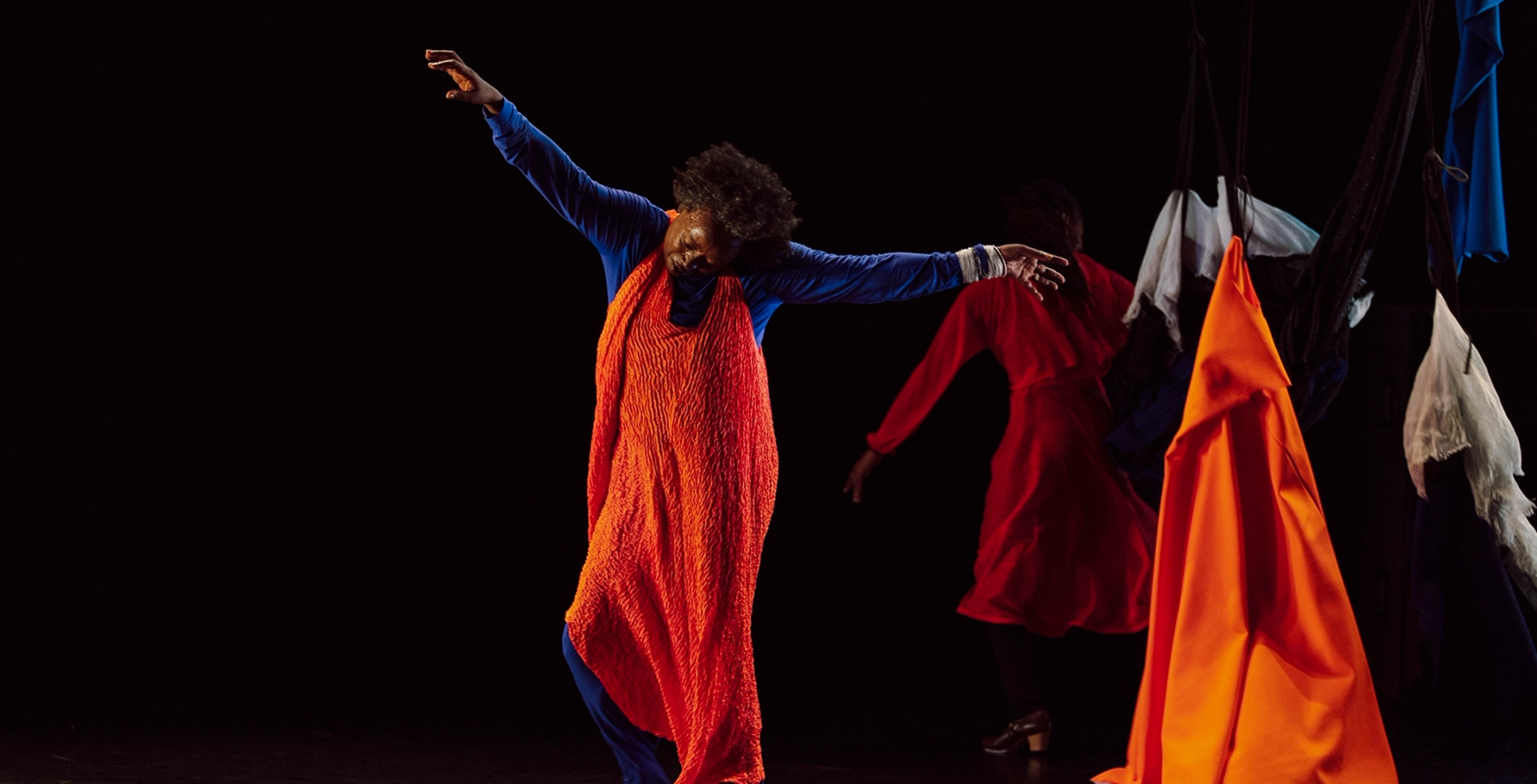
« L’idée de faire corps à plusieurs, c’est un geste artistique (…), d’être visibles en étant nombreuses sur un plateau, mais le fait d’être nombreuses devenait quelque chose en soi. »
Rwandan-born singer, writer, and choreographer Dorothée Munyaneza continues in Mailles the artistic approach that has shaped her previous works: beginning with lived reality to engage with the memories and bodies of those whose voices have too often been silenced. Bringing together a constellation of singular stories, the piece weaves “the threads of a shared fabric.” It explores the transmission of memory across generations, linking ancestral legacies with contemporary lived experience.

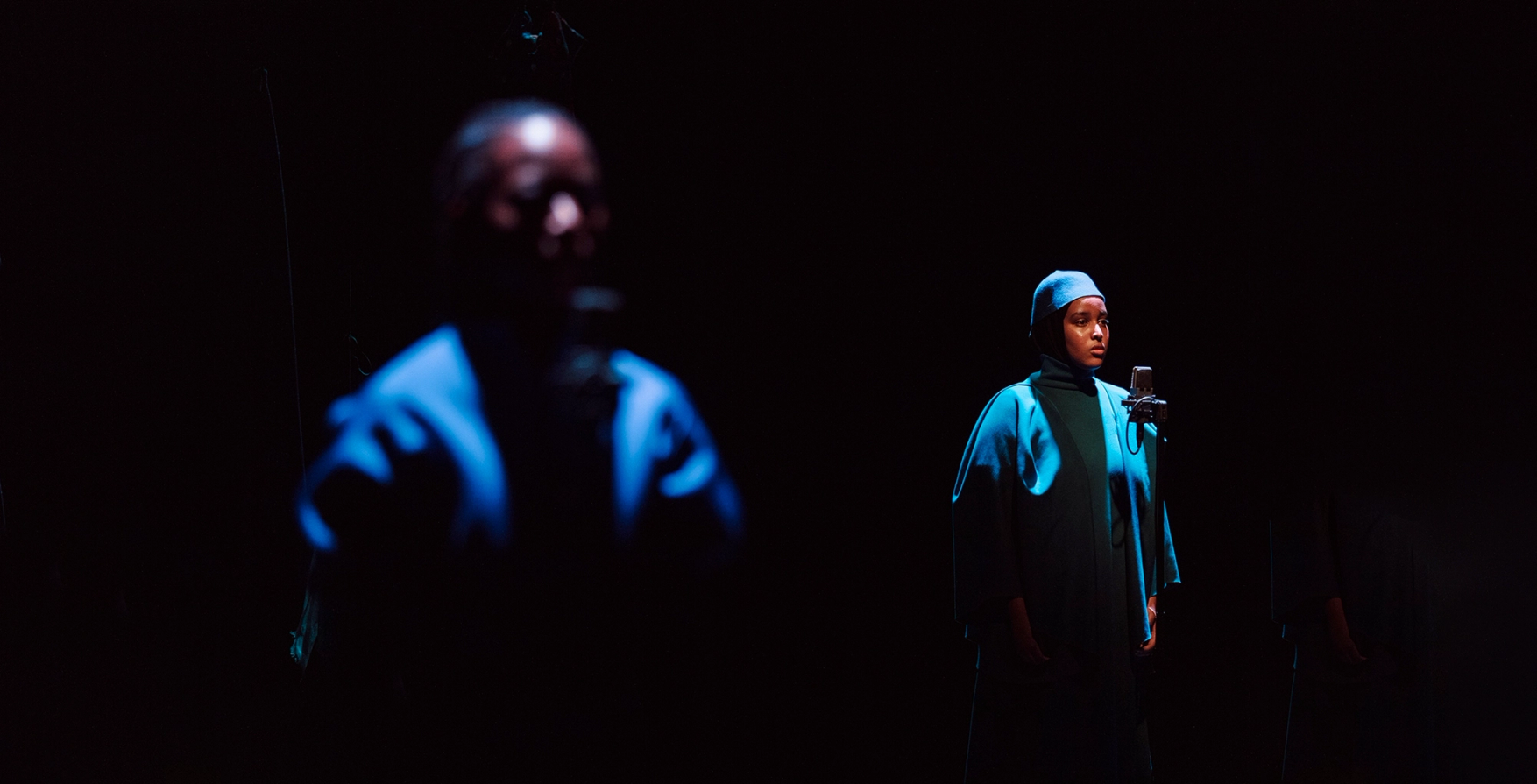

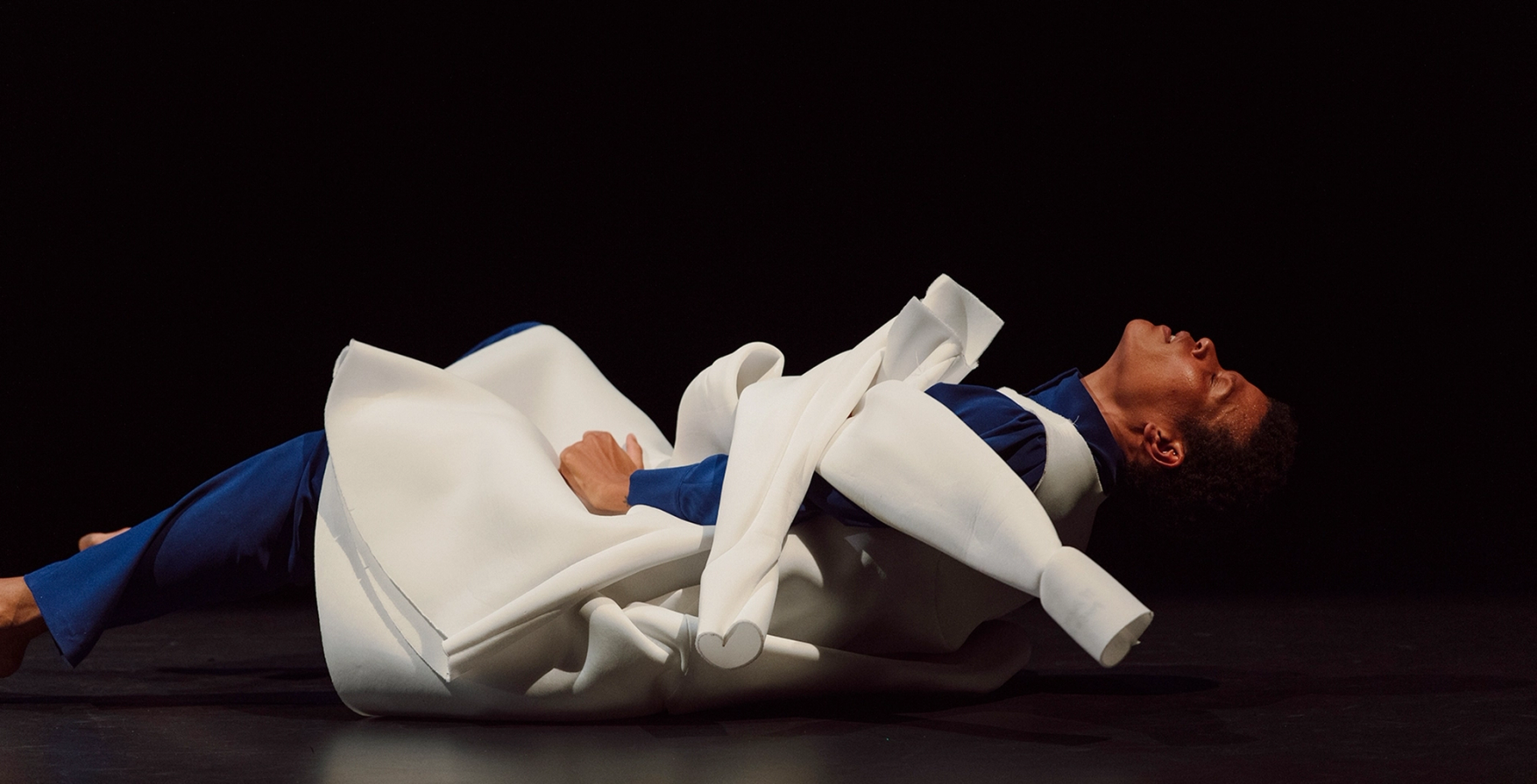
“It speaks to our humanity our capacity to bring forth both the most horrific and the most beautiful.”
In Mailles, the violence of the “systems that annihilate” is confronted head-on through a physical language of cries and movement. Yet the work is equally a celebration of the women whose “joy, vital force, poetry, and beauty” it brings into the light a resilience rooted in a form of shared trance. For Dorothée Munyaneza, joy is “our greatest weapon against violence, dehumanisation, and invisibilisation”; it is “a way of resisting.”